Wireless charging is slower — and when that does not matter at all
11 October 2026
15W wireless is not a comparison with 30W wired, and the reason is not a weak charger. Why it warms, and why it is still the better choice in certain places.
The first question about any wireless charger: why only 15W? The answer is that the number does not compare with the one printed on a wired charger at all.
Why some of the energy never arrives
Wireless charging moves power between two coils through air, not through a wire. Some of it is lost in the crossing — it becomes heat instead of reaching the battery. That is why a phone runs warmer on a pad than on a cable, and it is not a fault.
And the heat slows the charging by itself
A phone protects its battery: when it warms up, it reduces its own charging speed. In a Saudi summer, in a room with no air conditioning, you may notice wireless charging is slower than usual. That is the phone looking after itself, not the charger weakening. Taking a thick case off helps more here than a different charger would.
So when is wireless the better choice
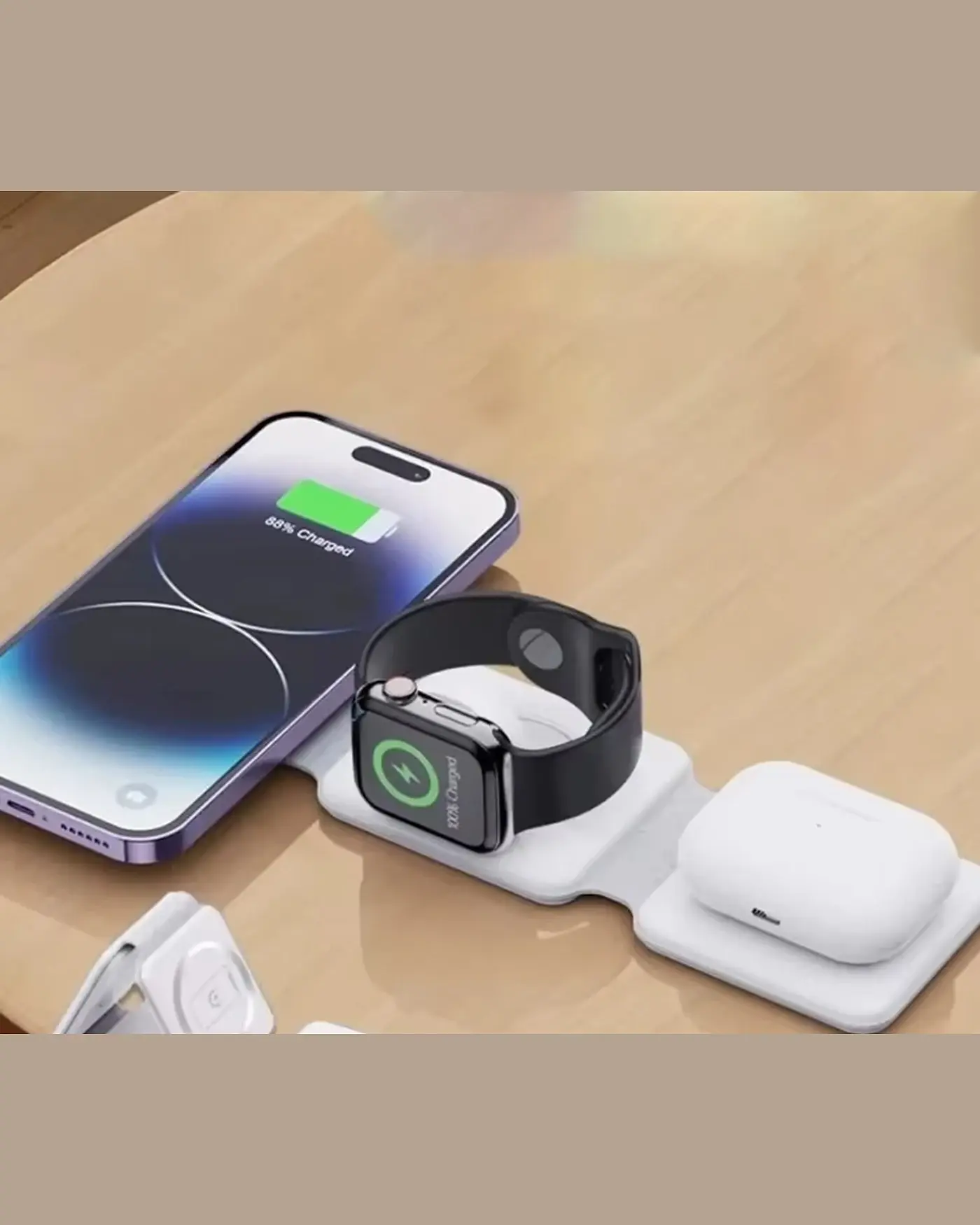
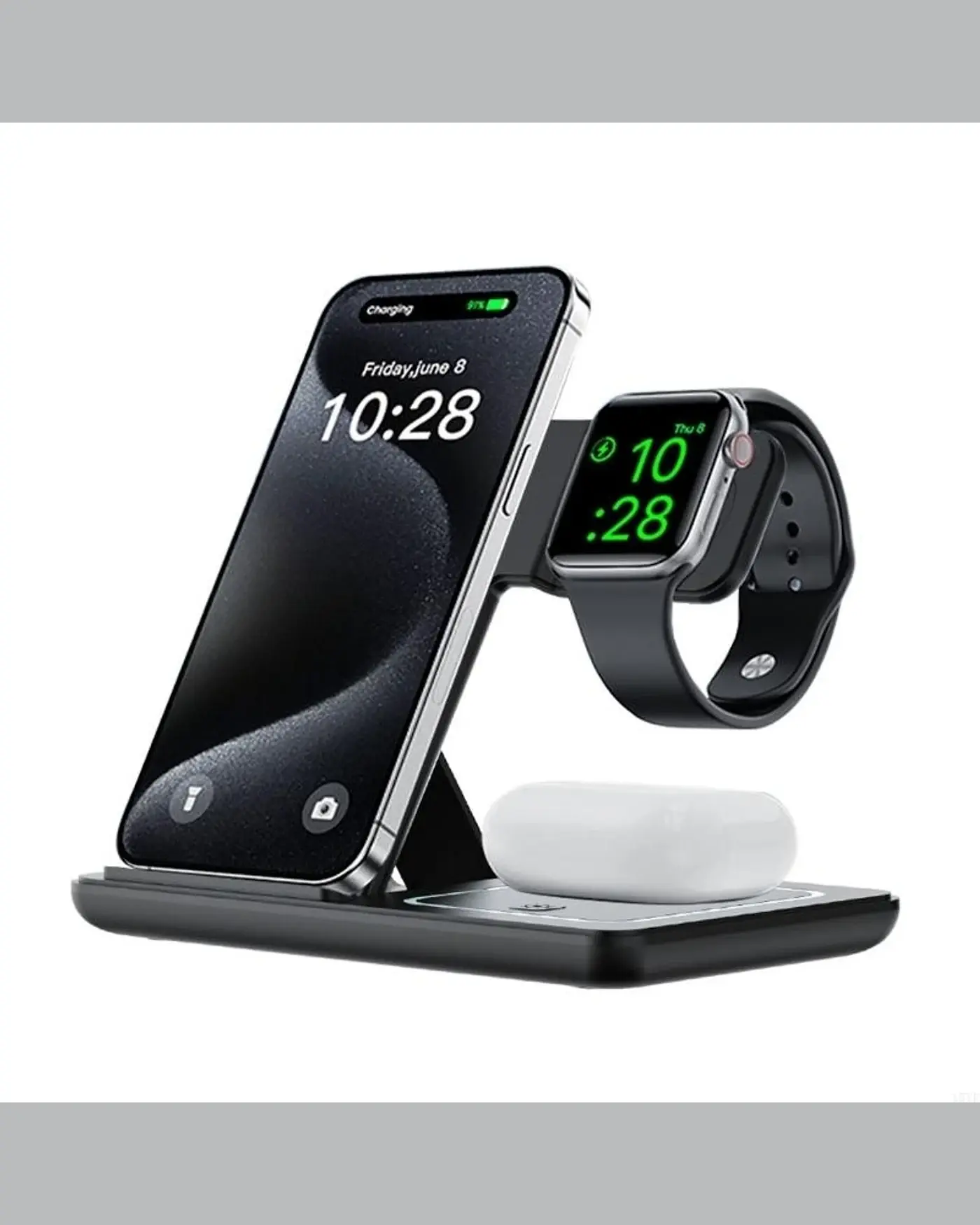
- Overnight. Eight hours on a pad is enough at any speed, and the difference does not exist
- A desk. The phone goes down and comes up twenty times a day; with a cable that is twenty connections
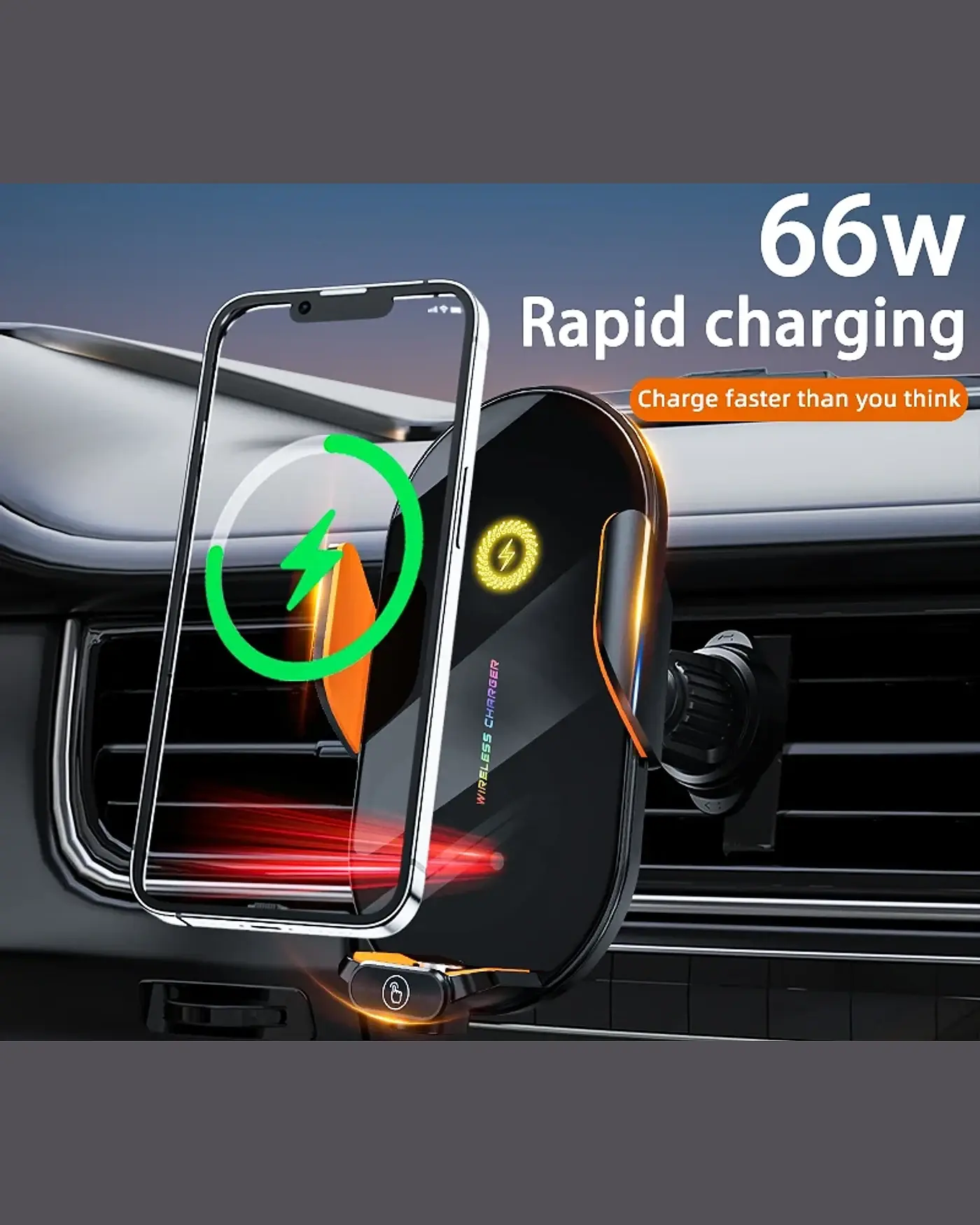
- The car. Put down and pick up with one hand, which is reason enough on its own
- A tired charging port. Every connection wears it, and wireless never touches it
And when it is not
When you are in a hurry. Twenty minutes before you leave and the battery at ten per cent — that is a cable moment, every time.
Watts do not compare across the two
15W wireless is not half of 30W wired. The two systems measure different things, and part of the wireless figure goes to heat as described. Comparing the numbers directly gives the wrong answer in both directions.
The case, again
Most reported wireless charging problems come down to the case: too thick, or with a metal plate, a ring or a card in it. If charging stops or keeps dropping, take the case off and try that before anything else.
So why 66W in the car
Our car charger is wired in its power and wireless in its placement — and the journey is short, so speed genuinely matters there. It is one of the few places where the bigger number earns its price.
Common questions
- Why is wireless charging slower than a cable?
- Because power crosses between two coils through air, and some of it becomes heat instead of reaching the battery. That is the price of there being no cable, not a fault in the charger.
- Why does my phone get warm on a wireless charger?
- Heat is a normal part of wireless transfer. The phone also reduces its own charging speed as the battery warms, so charging can seem slower in hot weather. Removing a thick case helps.
- Is 15W wireless half of 30W wired?
- No. The two systems measure different things and the numbers do not compare directly. Overnight and on a desk there is no practical difference; when you are in a hurry a cable is always faster.